Managing a school without an Enterprise Resource Planning (ERP) is unsustainable because manual or fragmented digital systems lead to inefficiency, errors, poor communication, and inability to scale, hindering growth and quality education in today's digital-first world, forcing schools to adopt ERPs for centralized, automated, and data-driven operations.
Today’s schools operate in an environment that is far more demanding, interconnected, and transparent. Student numbers are growing, parents are more informed and involved, compliance requirements are increasing, and teachers are already carrying a heavy workload. In this context, continuing to manage a school without an ERP system is not just inefficient—it is increasingly unsustainable.
This is not a technology problem. It is a systems problem.

When Schools Depend on Individuals Instead of Systems
In many schools, critical information lives in the minds of a few key people. If the accountant is away, fee queries aren't answered. If the administrator leaves, finding historical records becomes a challenge.
Institutional Memory
An ERP system ensures that school knowledge belongs to the institution, not just an individual. It creates a searchable, digital history that remains accessible even as staff changes, ensuring long-term stability.
The Risk of Fragmented Workflows
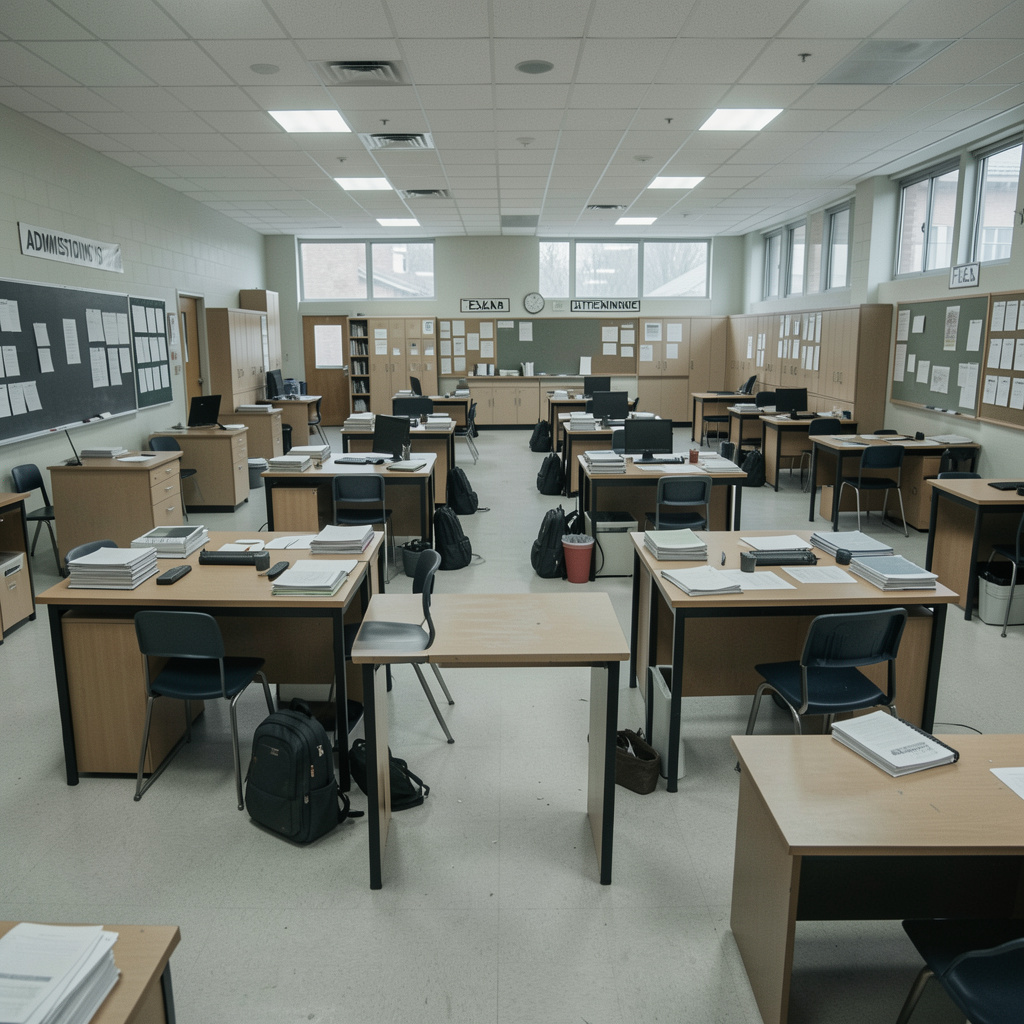
Without a central system, schools use different tools for different tasks — spreadsheets for mark sheets, papers for attendance, and personal chat apps for communication.
Connecting the Dots
Fragmented data leads to silos where one department doesn't know what the other is doing. This lack of synchronization causes delays in decision-making and increases the chances of conflicting information being shared with parents.
The Hidden Cost of Inefficiency
Inefficiency isn't just about lost time; it's about lost opportunities. When staff is tied up in repetitive manual tasks, they have less time to focus on student development and academic innovation.
Reclaiming Time
Automation isn't about replacing people; it's about giving them back their time to do what they do best: educate.

Maintaining Parent Transparency
Modern parents expect real-time information. Without a system, providing this transparency requires constant manual effort, which is unsustainable at scale.
When information is inconsistent or late, trust erodes quickly — even if the school is working hard behind the scenes. ERP introduces transparency naturally. Information is available through official channels. Parents see clear records instead of relying on explanations. Questions reduce. Conversations become calmer.
This is not about impressing parents with technology. It is about meeting modern expectations without exhausting staff.
Long-term Planning and Visibility
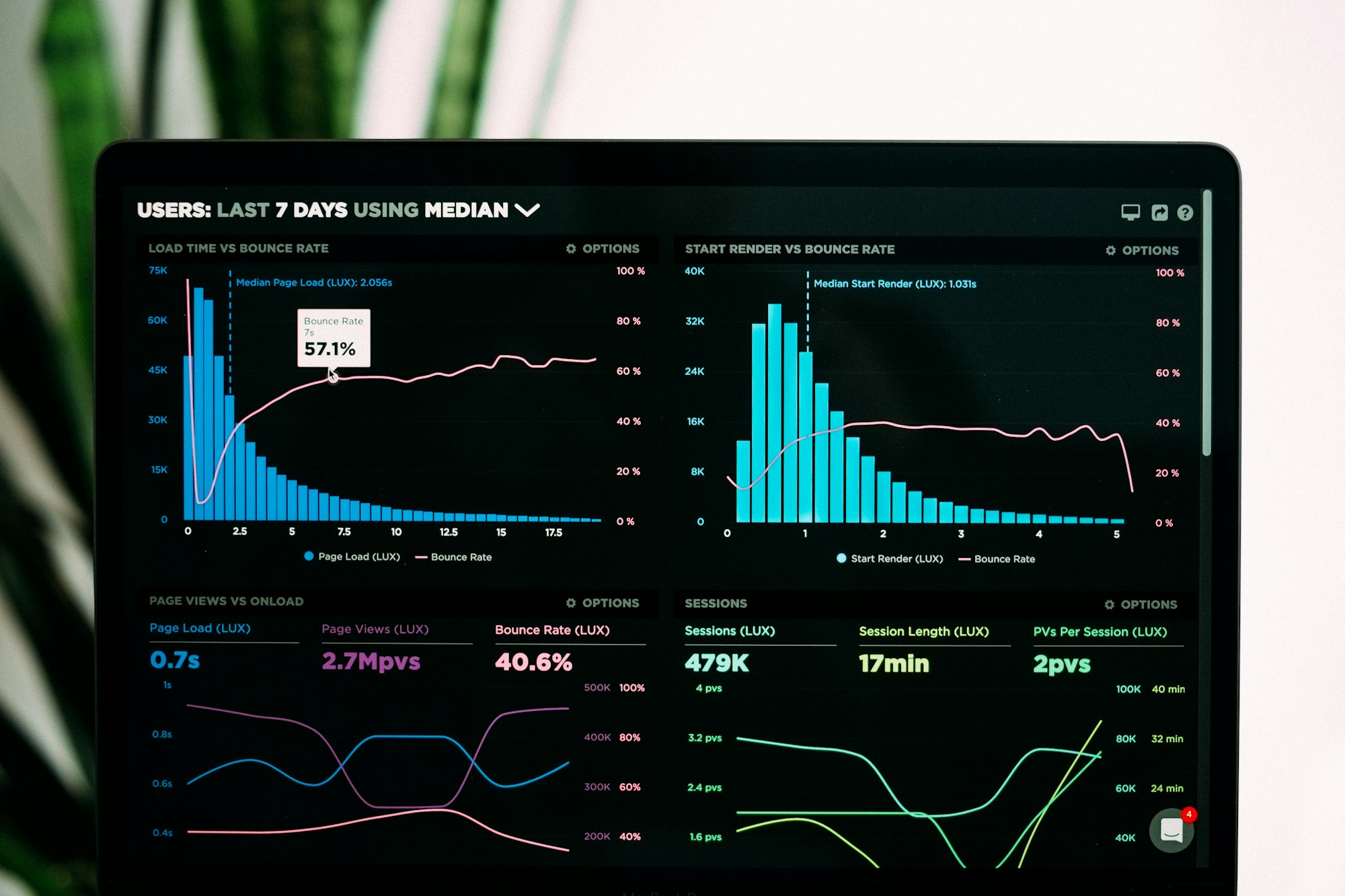
A school without data is like a ship without a map. ERP systems provide the data needed for strategic planning, from resource allocation to academic forecasting.
Informed Decisions
Management can see trends across years, identifying areas that need improvement and measuring the impact of their institutional changes.
ERP Is No Longer Optional — It Is Foundational
For many years, ERP was seen as something only large schools needed. Smaller institutions believed they could manage without it. That distinction no longer holds. Operational complexity today affects schools of all sizes. Compliance, communication, and coordination challenges exist regardless of student count. Manual systems struggle everywhere.
ERP is no longer a luxury. It is the foundation for stable school operations.
The Quiet Transformation
The real value of school ERP software isn't just in the big features, it's in the quiet transformation of daily culture. It moves a school from a culture of 'asking and waiting' to a culture of 'knowing and doing'.
Sustainability is about creating systems that work for the people, ensuring that the school continues to grow and improve year after year.
- Teachers stop talking about the system because it fits naturally.
- Office staff trust the data.
- Parents feel informed without asking.
That silence is success.

Final Thoughts
Managing a school without ERP may still be possible today. But it is no longer sustainable for tomorrow.
Sustainable schools are built on systems, that support people, protect data, and adapt to growth without chaos. ERP provides that foundation — quietly, reliably, and consistently. Schools that invest in ERP are not chasing technology. They are choosing clarity, stability, and long-term confidence. And in today’s educational environment, that choice makes all the difference.